A shower replacement is not only about changing the visible unit. Most issues I see in Holland and Cascade homes start behind the walls, not in the shower itself. Leaks inside shower systems often begin at pipe joints, valve connections, or waterproofing layers. When any of the issues come, in the start, it cannot show at the surface level; the damage stays hidden. But over time, you notice some signs like moisture on walls and floors. At that time when these signs come, it means your home has serious plumbing issues.
A shower system is made of multiple connected parts working together:
Most failures do not come from the showerhead. They come from internal valve wear or hidden pipe leaks behind the wall.
Replacement is not only about age. It is about the system’s condition.
Shower replacement is usually needed when:
The mixing valve cannot regulate temperature correctly
Recurring leaks appear around the shower base or walls
tile or surround shows moisture damage
The water pressure becomes unstable during use
plumbing connections behind the wall show corrosion or failure
Repeated repairs do not stop the leakage
At this stage, replacing only surface components does not solve the system issue.
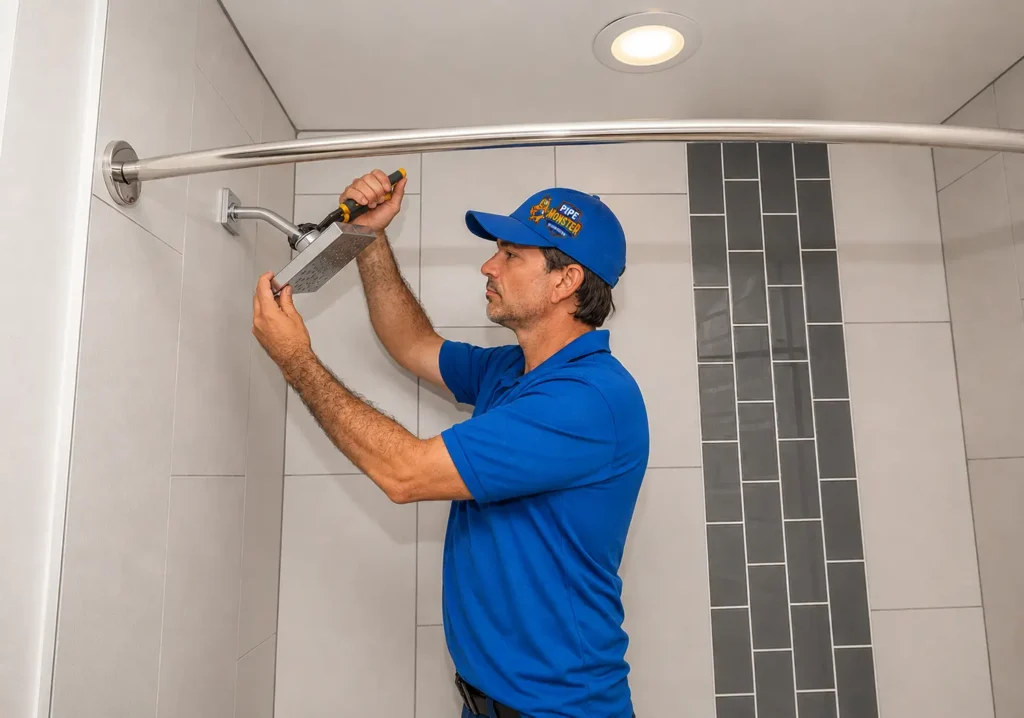
standard valve and showerhead systems common in older homes issues usually develop at the valve and pipe connection points
combined bath and shower systems prone to drain seal failures and valve wear Frequent use increases wear on plumbing joints
modern installations with tile or full surround Relies heavily on waterproofing integrity Leaks often originate from grout, pan, or hidden pipe fittings
A proper shower replacement involves both plumbing and structural checks.
Process includes:
removal of the existing shower unit
inspection of exposed plumbing lines
leak and pressure testing of supply lines
Replacement or adjustment of the mixing valve if needed
installation of a new shower system
sealing and connection verification
full water flow and drainage testing
Final leak and pressure retest
If hidden pipe damage is found, it is corrected before final installation.
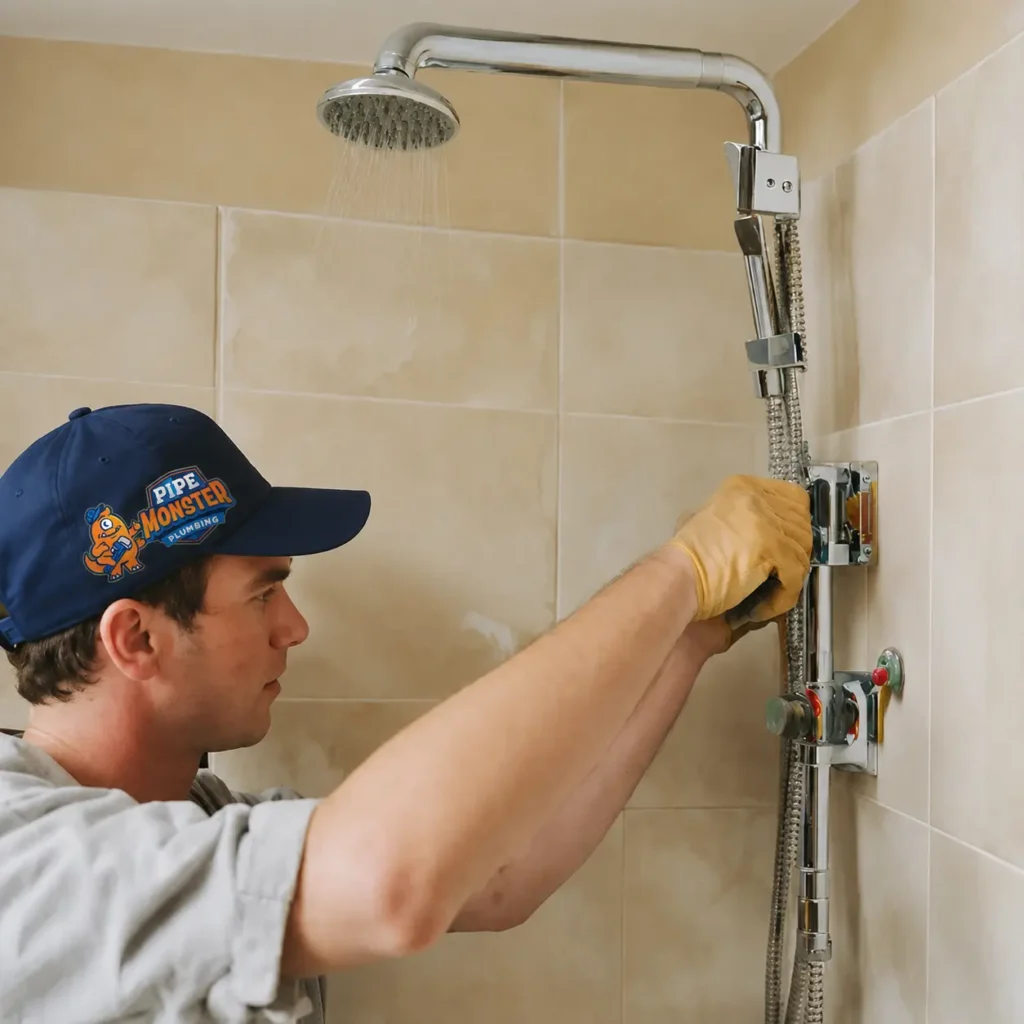
Yes. Shower leaks spread moisture slowly through insulation and drywall before showing visible damage. Over time, this leads to mold growth, structural damage, and flooring deterioration.
The main causes are hard water mineral buildup inside the valve, long-term wear on the cartridge, and pressure fluctuations across hot and cold lines. These weaken valve response over time.
If the mixing valve can’t regulate temperature, leaks keep returning near the base or walls, or repairs keep failing the issue is usually behind the wall, not just the fixture itself.
It depends on water quality, usage, and pipe condition. Hard water shortens valve and cartridge life. Regular maintenance and water softening can significantly extend system lifespan.
Most surface repairs only address the visible fixture. If the mixing valve or pipe connection behind the wall is damaged, leaks continue and moisture spreads further causing bigger damage.