Hard water is one of the most ignored problems I see in homes across Holland and Cascade. Most people don’t notice it at first. It starts with light scale buildup on faucets. Then water heaters start losing efficiency. Then pipes slowly narrow from inside. When people realize the system has already started creating problems. Because hard water carries high mineral content, which will slowly decrease the efficiency of water pipes and heaters. That’s where water softener systems become important. Pipe Monster Plumbing installs and evaluates water softener systems based on actual home water conditions, not just equipment replacement.
Hard water does not break pipes instantly. It changes how the entire system behaves over time. Inside plumbing lines, minerals create:
I’ve seen homes where the issue was not a leak or a broken pipe. The real issue was internal scaling, reducing flow across the entire house.
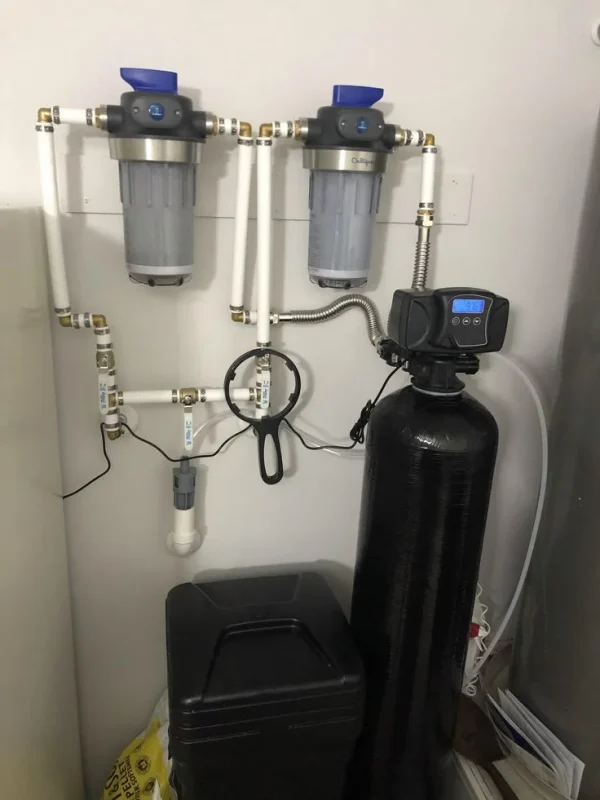
Water softeners have an ion exchange system. Which will change your water calcium and magnesium ions into sodium and potassium.
This matters because:
A properly installed system protects:
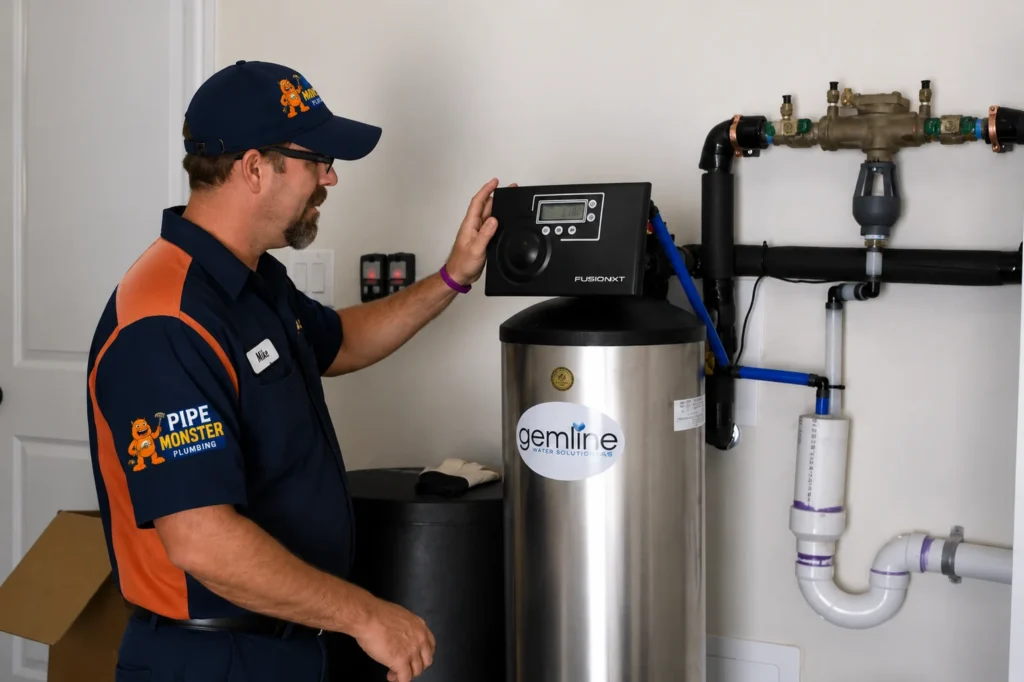
Many homes already have softeners installed, but they still experience issues. That usually means the system is not sized or maintained correctly.
Common problems include:
These issues make people think softeners do not work, but in most cases, the system is not matched to water demand.
Before installing anything, I check: water hardness level (grain per gallon testing) household water usage pattern pipe material condition (copper, PEX, galvanized) water heater scaling condition flow rate across fixtures existing filtration or treatment systems This tells whether the home needs: full water softener system partial conditioning setup or integrated filtration + softening system
In some areas of Holland and cascade i notice most of the homes have hard water issues because of groundwater composition. In hard water, calcium and magnesium comes naturally, which will affect your appliances and pipe systems.
Over time, this leads to:
I’ve seen water heaters fail early simply because sediment was never controlled.
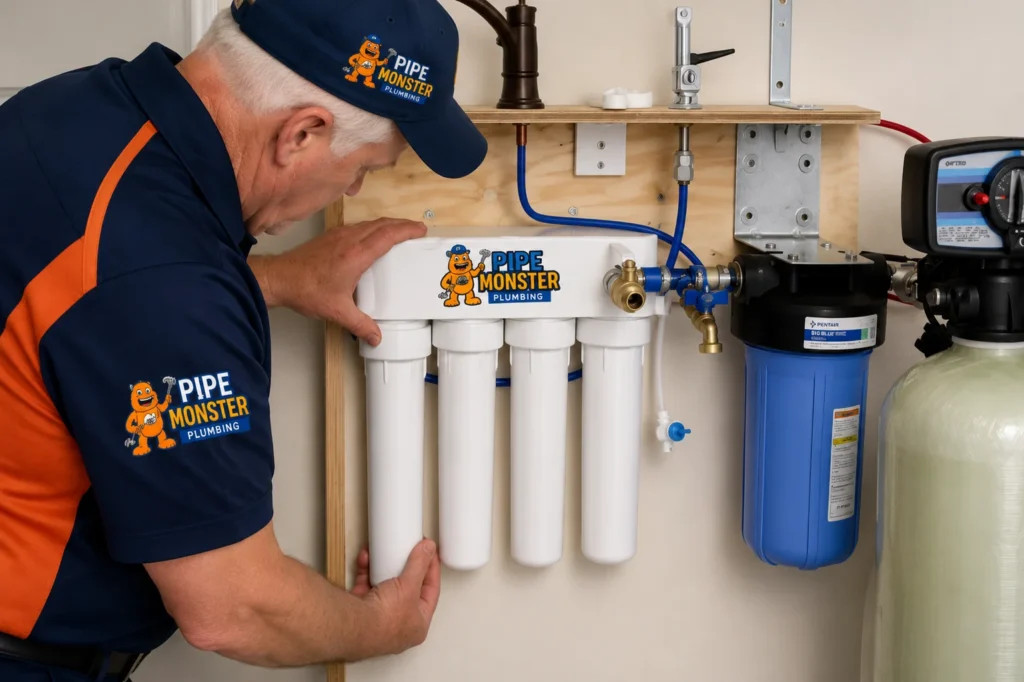
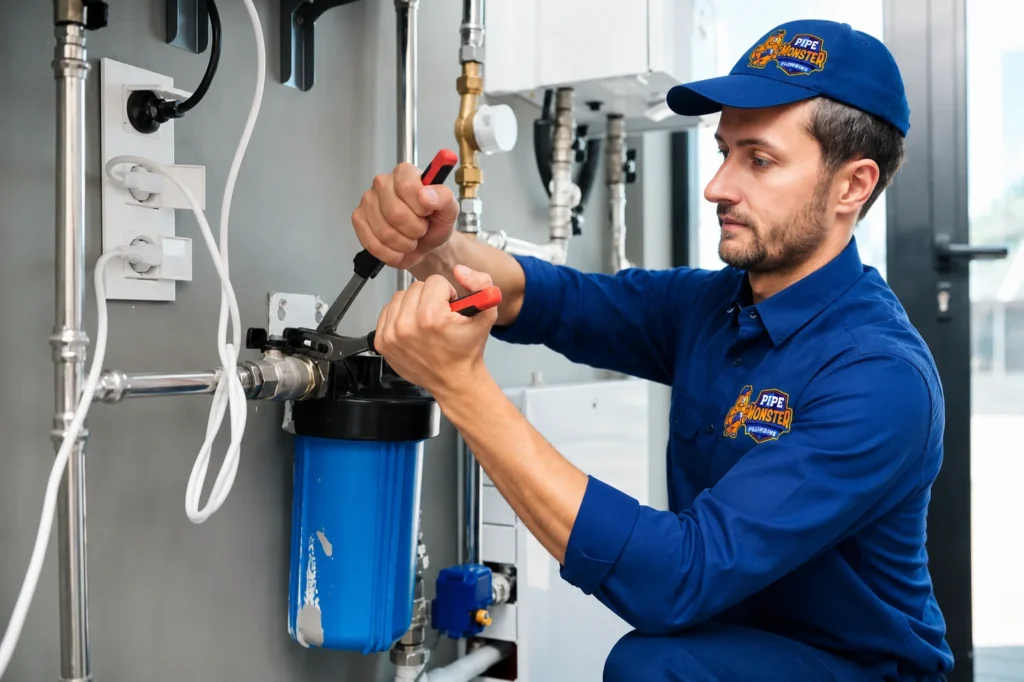
Hard water does not show up as a single failure. It shows up as patterns:
When multiple signs appear together, it is usually system-level hardness, not a fixture issue.
This is where most homeowners underestimate the problem.
Hard water directly contributes to:
It is not just a comfort issue. It affects the plumbing system’s lifespan.
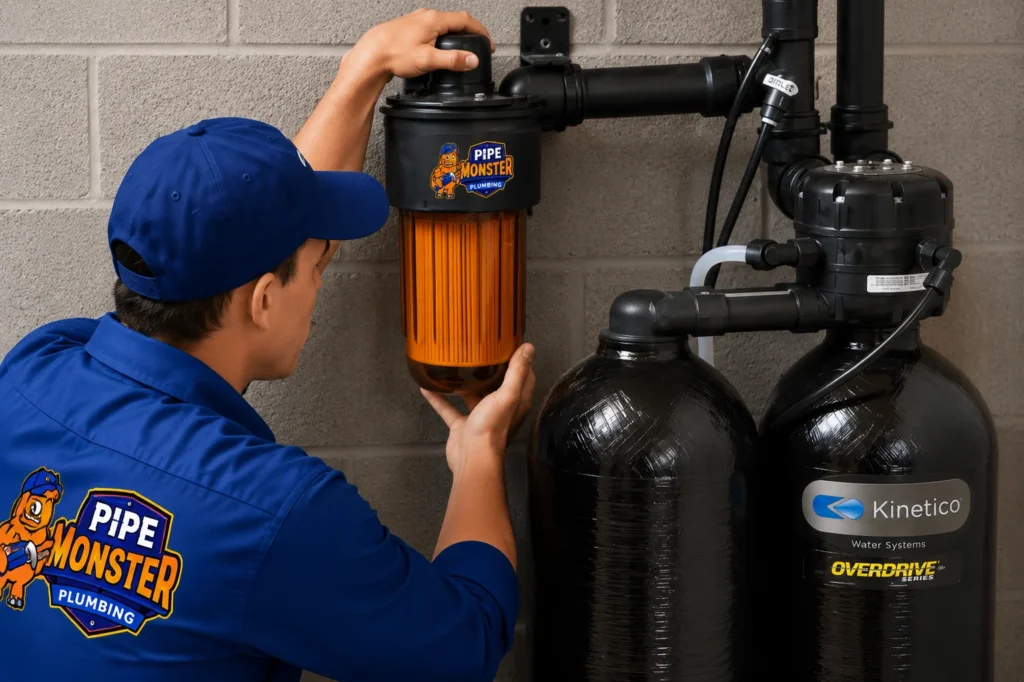
Common signs include dry skin after showering, soap not lathering well, white mineral scale on faucets and showerheads, cloudy glassware, and reduced water pressure over time.
Not all but many do. Groundwater in this region naturally carries calcium and magnesium. If you’re noticing the signs above, a water hardness test will confirm whether a softener is needed.
Yes. Mineral deposits build up inside pipes over time, reducing the internal diameter and increasing pressure. This leads to restricted flow, faster pipe wear, and higher leak risk at joints.
Common reasons include an undersized unit, salt bridging inside the tank, exhausted resin bed, or incorrect regeneration settings. The system may be installed but not matched to your actual water demand.
Yes. Softened water prevents sediment buildup inside the water heater tank, improving heat transfer efficiency and extending the heater’s lifespan.